Dining Room Furniture: A Comprehensive Guide to Creating the Perfect Space
Wiki Article
The dining room is often the heart of a home, where families gather to share meals, celebrate holidays, and create lasting memories. Choosing the right dining room furniture is essential to creating a space that is not only functional but also stylish and inviting. In this article, we will delve into the various aspects of dining room furniture, from selecting the right table to choosing complementary chairs and storage options. Whether you're starting from scratch or looking to update your current setup, this guide will help you create a dining room that reflects your personal style and meets your needs.
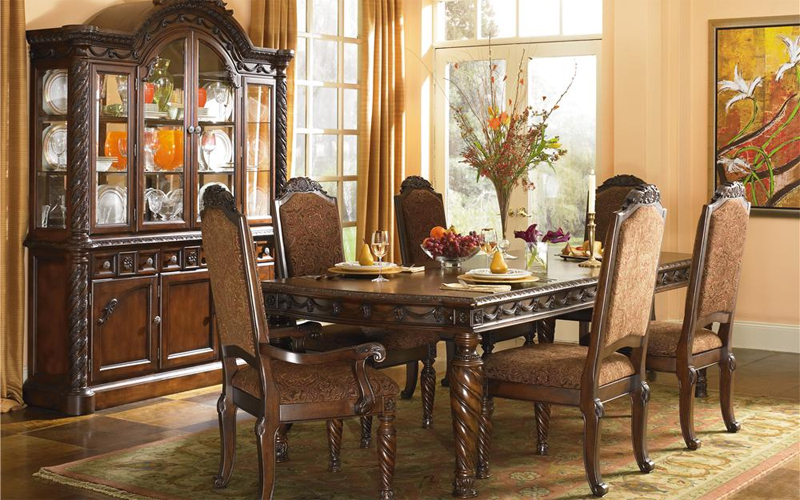
Understanding the Importance of Dining Room Furniture
Dining room furniture is more than just tables and chairs. It sets the tone for the entire room and can significantly impact the ambiance of your home. Dining tables serve as the centerpiece, while the dining chairs offer comfort and support for long meals and conversations. In addition, storage solutions like buffets and sideboards add functionality and style, keeping the space organized and clutter-free.
When selecting dining room furniture, it's essential to consider the size and layout of the room, as well as your personal style preferences. The right furniture can make a small room feel larger or a large room feel cozy and inviting.
Choosing the Perfect Dining Table
The dining table is the focal point of any dining room, and selecting the right one is crucial. Here are some key factors to consider:
Size and Shape
The size of your dining table should be proportional to the size of your dining room. A table that is too large can overwhelm the space, while one that is too small may not provide enough seating for your needs. Measure your room carefully before shopping, and leave enough space around the table for chairs and movement.
The shape of the table also plays a significant role in the overall design. Rectangular tables are the most common and versatile, fitting well in most dining rooms. Round tables are ideal for smaller spaces and encourage conversation by allowing everyone to see each other. Square tables offer a modern look and work well in square-shaped rooms, while oval tables combine the benefits of rectangular and round tables, providing a unique and elegant option.
Material and Finish
The material of your dining table will impact its durability, maintenance, and appearance. Wooden dining tables are a classic choice, offering warmth and character. Options like oak, walnut, and mahogany are known for their durability and timeless appeal. Glass tables create a modern, airy feel, making them perfect for smaller spaces. Metal tables are durable and add an industrial touch, while marble tables bring a luxurious, sophisticated vibe.
The finish of the table is equally important. A polished finish gives a sleek and shiny appearance, while a matte finish offers a more understated look. Consider the overall style of your dining room when choosing the material and finish of your table.
Selecting the Right Dining Chairs
Once you've chosen your dining table, it's time to select the chairs that will complement it. Dining chairs come in various styles, materials, and designs, so finding the perfect match can enhance the overall aesthetic of the room.
Style and Design
Dining chairs should complement the style of your table and the overall decor of the room. For a cohesive look, consider matching the chairs to the table, or opt for a contrasting style for a more eclectic feel. Upholstered chairs add comfort and elegance, making them ideal for formal dining rooms. Wooden chairs offer a classic, timeless look, while metal chairs can add a contemporary or industrial touch.
Comfort and Support
Comfort is key when it comes to dining chairs, especially if you enjoy long meals with family and friends. Look for chairs with cushioned seats and supportive backs. The height of the chair should be appropriate for the table, with enough legroom for diners to sit comfortably.
Number of Chairs
The number of dining chairs you need will depend on the size of your table and how many people you typically host. A general rule of thumb is to allow 24-30 inches of table space per person. Consider adding extra chairs if you frequently host large gatherings or opt for a bench on one side of the table to accommodate more guests.
Adding Storage Solutions
In addition to a table and chairs, dining room storage is essential for keeping the space organized and functional. Here are some storage options to consider:
Buffets and Sideboards
Buffets and sideboards are versatile pieces of furniture that provide ample storage for dinnerware, linens, and other dining essentials. They also offer a surface for serving food or displaying decorative items. When choosing a buffet or sideboard, consider the size of your dining room and the amount of storage you need. A larger piece can serve as a statement piece, while a smaller one may be more appropriate for compact spaces.
China Cabinets and Hutches
China cabinets and hutches are ideal for displaying your fine china, glassware, and other collectibles. These pieces often feature glass doors and shelves, allowing you to showcase your items while keeping them protected. A hutch can also provide additional storage space for larger items like serving platters and table linens.
Bar Carts and Wine Racks
For those who enjoy entertaining, a bar cart or wine rack can be a stylish and functional addition to the dining room. Bar carts offer mobility and can be used to serve drinks or store glassware and bottles. Wine racks keep your wine collection organized and accessible, adding a touch of sophistication to the space.
Incorporating Decorative Elements
Decorative elements play a crucial role in enhancing the overall look and feel of your dining room. From lighting to rugs and wall art, these details can tie the room together and create a cohesive design.
Lighting
Proper lighting is essential for creating the right ambiance in your dining room. A chandelier or pendant light over the dining table serves as a focal point and provides ample lighting for meals. Consider the size of your table and the height of your ceiling when choosing a light fixture. Wall sconces and table lamps can add additional lighting and create a warm, inviting atmosphere.
Rugs
A rug under the dining table adds warmth and texture to the room. It also helps define the dining area, especially in open-concept spaces. When choosing a rug, ensure it is large enough to accommodate the table and chairs, with enough room for the chairs to be pulled out without falling off the rug.
Wall Art and Mirrors
Wall art and mirrors add personality and character to the dining room. Choose artwork that complements the color scheme and style of the room. Mirrors can make the space feel larger and brighter by reflecting light and adding depth.
Final Thoughts on Dining Room Furniture
Creating the perfect dining room involves careful consideration of the furniture and decorative elements that will make the space both functional and beautiful. By selecting the right dining table, chairs, and storage solutions, you can create a dining room that reflects your style and meets your needs. Incorporate lighting, rugs, and wall art to add the finishing touches and create a space where you and your guests will enjoy spending time.
Report this wiki page